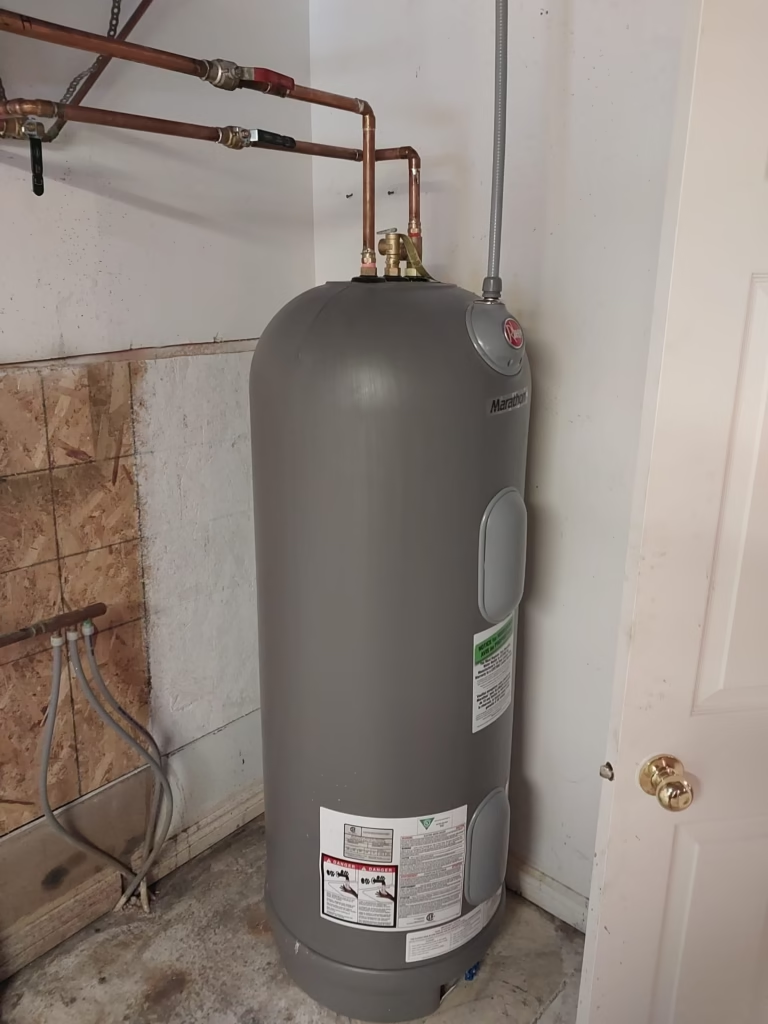
Water heater replacement cost in Ottawa can range from a relatively simple direct tank swap to a more involved conversion with new venting, gas piping, electrical work or condensate drainage. For a realistic 2026 budget, start with the exact type of water heater your home can support—not a generic national average.
How Much Does a Water Heater Replacement Cost in Ottawa?
AirZone’s current published product ranges run from $1,800–$3,200 for a John Wood atmospheric gas tank to $7,500 at the upper end of premium tankless, heat-pump and high-efficiency storage systems. A common 50-gallon power-vent gas option is currently listed at $2,400–$4,000.
Those numbers are much more useful than a single “average” because the lower and upper ends describe very different systems. The final written quote depends on capacity, fuel, venting, utility upgrades, removal, access and site conditions. AirZone can compare the full range of professional water heater installation options for your home.
Where Will Your Home Fall Within the Price Range?
A like-for-like replacement is usually the cleanest path. If the old unit is being replaced with a comparable model, the venting is approved and reusable, the utilities are correctly sized, and the tank can be moved through the home without unusual access work, the project is more likely to remain toward the lower portion of the model’s published range.
The quote moves upward when the project solves more than an aging tank. Converting from atmospheric to power vent can require a new wall penetration and vent route. Moving from a storage tank to tankless can require higher gas capacity, condensate drainage and new exhaust and intake piping. Switching from gas to a heat-pump water heater may require electrical work, a drain and changes to provide adequate room air.
This is why photos help but do not always replace an on-site assessment. Before requesting pricing, photograph the whole mechanical room, the equipment label, the top of the tank, the venting path, nearby electrical panel and floor drain. Tell us how many people live in the home, whether you use a large tub and when the household runs short of hot water. Those details help us distinguish a direct replacement from a design change before recommending equipment.
AirZone Water Heater Prices for 2026
The table below uses the price ranges currently displayed on AirZone’s own product pages. It gives Ottawa homeowners real models to compare instead of broad category estimates assembled from retailers, rental companies and markets outside Ontario.
| AirZone Model | Water-Heater Type | Published Price Range | What Changes the Final Quote |
|---|---|---|---|
| John Wood AV50N | 50-gallon atmospheric gas tank | $1,800–$3,200 | Chimney suitability, combustion air, gas and water connections |
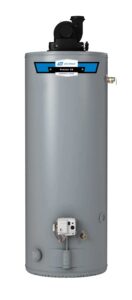
| John Wood PV50N | 50-gallon power-vent gas tank | $2,400–$4,000 | Sidewall vent route, electrical outlet, clearances and piping |
| Rheem Marathon | Premium electric storage tank | $2,800–$4,000 | Capacity, electrical circuit, access and removal |
| IBC SFT | Condensing gas tankless | $3,500–$5,500 | Gas capacity, venting, condensate drain and conversion work |
| Midea Heat Pump Water Heater | Hybrid electric heat-pump tank | $4,000–$7,500 | Electrical supply, room volume or ducting, drainage and capacity |
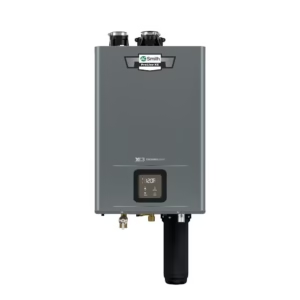
| A.O. Smith Adapt SC X3 | Premium condensing gas tankless | $4,900–$7,500 | Output, gas-line size, venting, water quality and installation location |
| John Wood Envirosense | High-efficiency condensing storage tank | $5,000–$7,500 | Capacity, venting, condensate and possible combination-heating design |
| Rheem ProTerra | Hybrid electric heat-pump tank | $5,500–$7,500 | Capacity, electrical work, room air, ducting and condensate drainage |
Pricing note: These ranges were reviewed on AirZone’s website on August 20, 2026. They are planning figures, not fixed prices for every property. Your quote should confirm the selected capacity, installation scope, removal, taxes, warranties, rebate eligibility and any additional work required.
Why Two 50-Gallon Replacements Can Cost Very Different Amounts
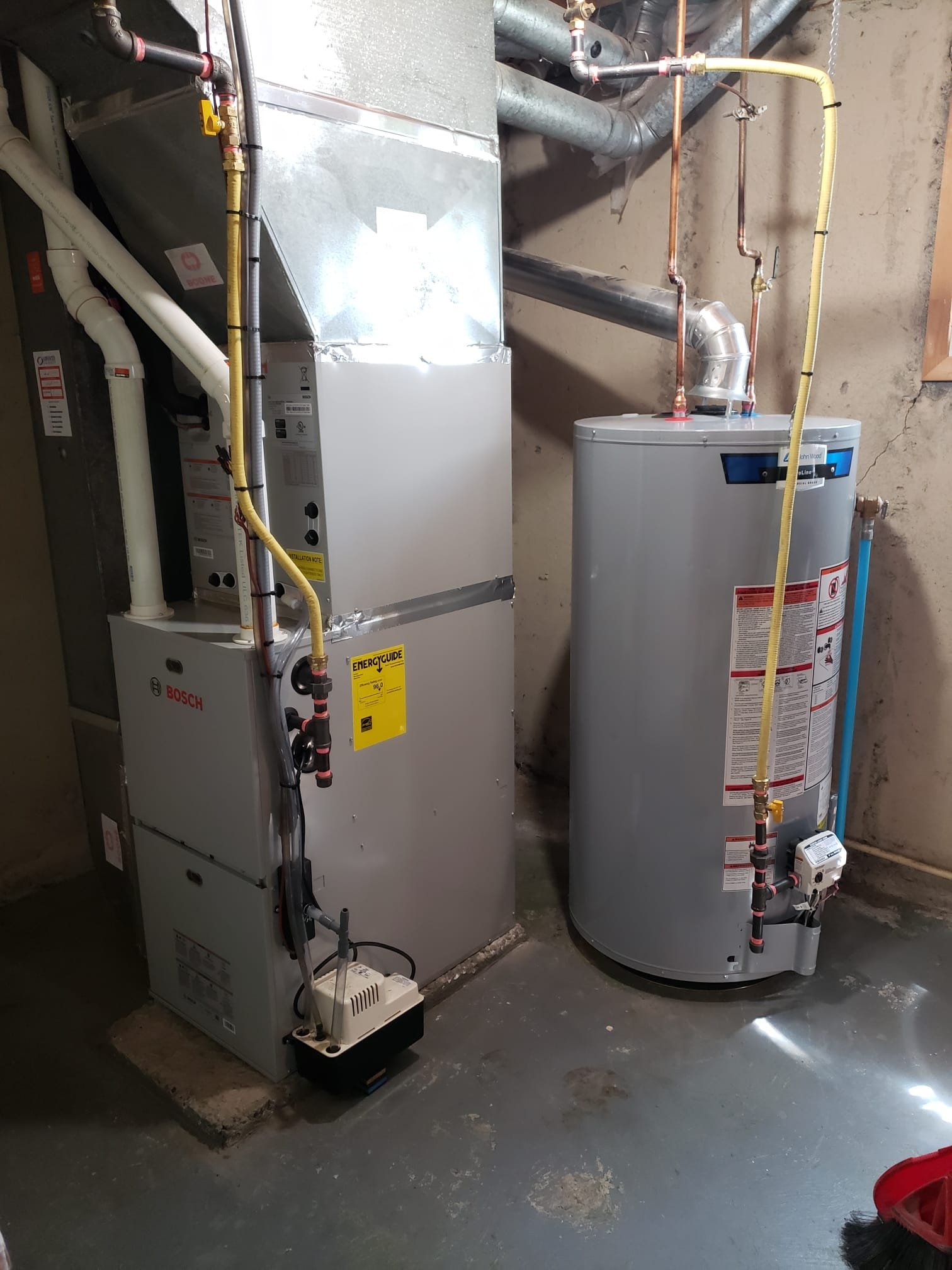
A 50-gallon label does not tell us how the unit vents, how quickly it recovers or what the mechanical room needs. A straightforward atmospheric tank can cost less than a power-vent model of the same capacity because the power-vent unit adds a blower, plastic venting and electrical requirements.
- Venting: Reusing a safe chimney connection is different from routing new sidewall venting.
- Fuel supply: A tankless conversion may need substantially more gas capacity than the old storage tank.
- Electrical work: Power-vent and tankless units need power; electric and heat-pump tanks need the correct dedicated circuit.
- Condensate: Condensing tankless and heat-pump systems require an appropriate drainage plan.
- Access and code upgrades: Stairs, doorways, shutoffs, piping and current safety requirements all affect labour and materials.
40 vs. 50 vs. 60 Gallons: Size the Demand, Not Just the Family
A 40-gallon tank may serve a smaller household well, while 50 gallons is a common family-home starting point. A larger household, deep soaker tub or several back-to-back showers may justify a 60-gallon tank, a high-recovery model or a correctly sized tankless system. The important word is may: occupancy alone cannot size a water heater accurately.
| Household Pattern | Practical Starting Point | What AirZone Should Confirm |
|---|---|---|
| One or two people with modest simultaneous use | Often a 40-gallon storage tank | Fuel type, recovery rate and largest hot-water fixture |
| Three or four people with normal morning demand | Often a 50-gallon storage tank | Number of consecutive showers, laundry and dishwasher timing |
| Five or more people, a large tub or overlapping fixtures | 60 gallons, high recovery or tankless may be appropriate | Peak flow, incoming-water temperature and available utilities |
Recovery matters as much as storage. A gas tank can reheat its reserve faster than a conventional electric model, so a smaller high-recovery unit may outperform a larger slow-recovery tank during peak use. Tankless sizing is different again: it must be based on simultaneous flow and Ottawa’s colder incoming water, which reduces real-world flow compared with warm-climate marketing figures. Our guide to tankless water heaters versus traditional tanks explains those trade-offs in more detail.
What Do You Get at Each Price Level?
Familiar Gas-Tank Performance
The John Wood PV50N is a practical replacement where a power-vent tank already fits the home’s layout and hot-water demand.

Durability-Focused Electric Tank
The Rheem Marathon uses a non-metallic tank and avoids combustion venting, but its capacity and recovery still need to match the household.
Premium Tankless Upgrade
The A.O. Smith Adapt SC X3 saves floor space and provides continuous hot water within its rated flow, with conversion costs depending heavily on the home.
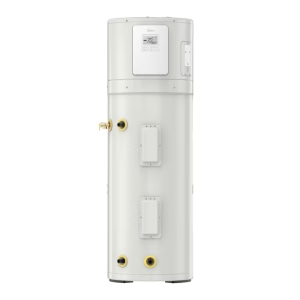
High-Efficiency Electric Option
The Midea heat-pump model can sharply reduce electricity use in a suitable room, but space, sound, drainage and electrical requirements must be assessed.
If you want a feature-by-feature comparison rather than a cost breakdown, see our top water heaters for Ottawa homes in 2026.
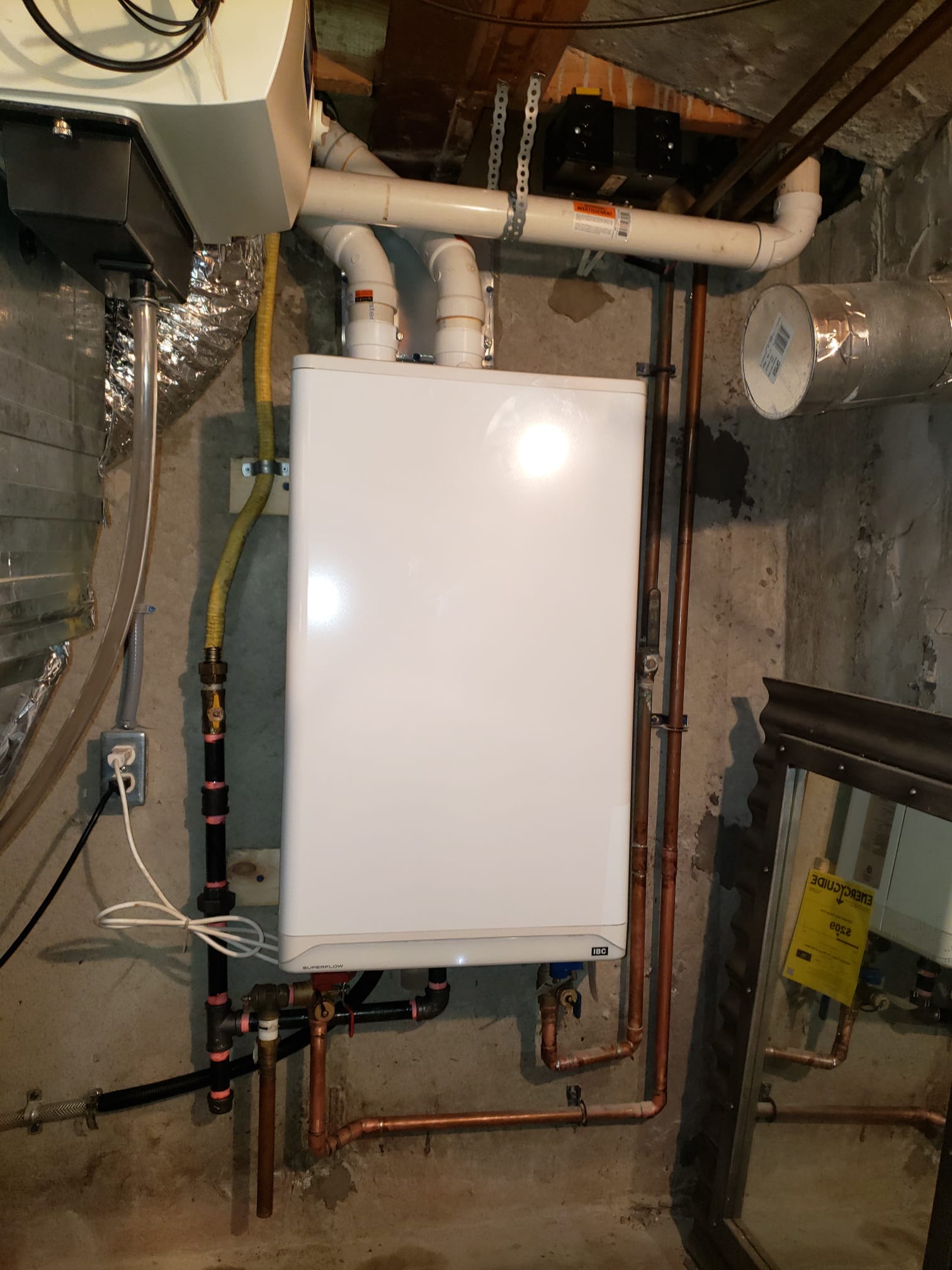
What a Complete Replacement Quote Should Spell Out
A cheap equipment price is not the same thing as a complete water heater installation cost. Before comparing estimates, make sure each contractor is pricing the same scope. A clear quote should identify the exact model and capacity, old-equipment removal, water and fuel connections, approved venting, electrical requirements, condensate drainage, start-up and testing, warranty coverage and any exclusions.
Gas-fired equipment must be handled by qualified professionals. AirZone is a TSSA-registered contractor with directly employed technicians, so the recommendation can account for both the appliance and the surrounding mechanical system. This is especially important when an older atmospheric tank has become the only appliance left using a large masonry chimney, or when a tankless conversion changes gas demand.
Insurance Fact Check: Ontario Does Not Have One Universal 10-Year Rule
Water-heater age can absolutely affect insurance, but the threshold is set by the insurer and policy—not one Ontario law that applies to every homeowner. Some insurers encourage replacement around the ten-year mark, while others publish different coverage limits. For example, TD states that water damage from a tank manufactured 15 or more years ago is excluded under the policy wording shown on its water-damage guidance.
If your insurer sends a replacement notice, follow the exact date and documentation requirements in that notice. Ask whether it needs the invoice, model and serial number, installation date or photos. AirZone can determine the unit’s age and condition, but only your insurer or broker can confirm coverage.
Repair, Replace or Change Water-Heater Type?
Repair May Make Sense
A younger unit with a repairable control, igniter, heating element, valve or accessible piping leak may not need immediate replacement. Book diagnosis when there is no hot water, an error code, temperature instability or an uncertain leak source.
Replacement Is Often Safer
Water coming through a corroded tank, significant rust, repeated failures, declining capacity or an insurer’s age requirement can make replacement the practical option. Shut off the water supply and contact a professional promptly if the tank is actively leaking.
Ownership, Financing and the Current Heat-Pump Water-Heater Rebate
AirZone sells water heaters rather than renting them. A rental’s monthly payment can hide the long-term cost, contract conditions and exit charges, so compare the total amount paid with the installed purchase price and financing cost. If you are considering ending your monthly water heater rental, obtain the provider’s written buyout, cancellation and return instructions before removal.
As of August 2026, Ontario’s Home Renovation Savings program lists a potential $500 rebate for an eligible ENERGY STAR heat-pump water heater. This pathway requires an initial home energy assessment and at least two qualifying upgrades, and the work must meet current program rules. Confirm eligibility before purchasing equipment through the official program page. AirZone also offers water heater financing options for approved applicants.
Get an Ottawa Water Heater Quote Based on Your Home
Send AirZone the existing unit’s model, serial number, approximate age and a few clear photos of the tank, venting and surrounding mechanical room. We will help you compare a direct replacement with appropriate tankless, electric or heat-pump alternatives.
Request a Water Heater EstimateWater Heater Replacement Cost FAQs
How much does it cost to replace a water heater in Ottawa?
AirZone’s current published 2026 price ranges run from $1,800–$3,200 for a John Wood atmospheric gas tank to $7,500 at the upper end of premium tankless, heat-pump and high-efficiency storage options. A home-specific quote is required.
How much does a 50-gallon hot water tank cost in Ottawa?
AirZone currently lists the 50-gallon John Wood AV50N atmospheric model at $1,800–$3,200 and the PV50N power-vent model at $2,400–$4,000. Venting and installation conditions explain much of the difference.
How much does a tankless water heater cost in Ottawa?
AirZone lists the IBC SFT tankless system at $3,500–$5,500 and the premium A.O. Smith Adapt SC X3 at $4,900–$7,500. Gas-line, venting, condensate and conversion requirements affect the final installed price.
Does Ontario home insurance require replacement after 10 years?
Not universally. Insurers establish their own age limits and coverage requirements. Review your policy or replacement notice and confirm the applicable threshold with your insurer or broker.
Is there an Ontario rebate for a heat-pump water heater?
The Home Renovation Savings program currently lists a potential $500 rebate for eligible ENERGY STAR heat-pump water heaters through its assessment-required pathway. An assessment, at least two qualifying upgrades and other program conditions apply.