
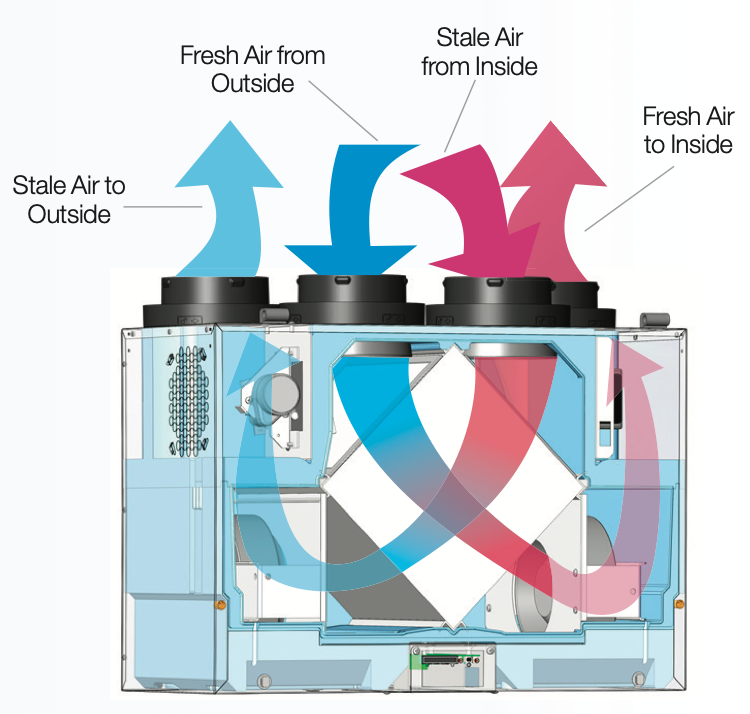
HRV and ERV systems in Ottawa give a home controlled fresh-air exchange without throwing away all the energy used to heat or cool the outgoing air. Both systems exhaust stale indoor air and bring in outdoor air through a heat-exchange core.
The important difference is moisture transfer. A heat recovery ventilator transfers heat but not humidity. An energy recovery ventilator transfers both heat and a portion of the moisture between the two air streams.
AirZone HVAC Services helps homeowners compare the home, occupancy, humidity pattern, ductwork and year-round ventilation goals before recommending either system. Our HRV and ERV Ottawa services include installation, replacement, airflow balancing, maintenance and repair across the city and nearby communities.
Why Indoor Air Quality Matters in Modern Ottawa Homes
Modern homes hold conditioned air more effectively, but that also means moisture, odours and indoor contaminants can remain trapped without planned ventilation.
Controlled Fresh-Air Exchange
Replace stale indoor air with filtered outdoor air without relying on open windows, random leakage or exhaust-only ventilation.
Better Moisture Management
Ventilation can help remove moisture produced by occupants, showers and everyday living. ERVs also moderate moisture transfer between air streams.
Energy Recovery
The core transfers energy between outgoing and incoming air, reducing the heating or cooling penalty of mechanical ventilation.
Fewer Lingering Odours
Continuous low-speed ventilation can help remove stale air and everyday odours from bathrooms, pets, basements and household activities.
HRV vs. ERV: Which Is Better for an Ottawa Home?
Neither system is automatically better. The right choice depends on indoor humidity, occupancy, construction, how often the system will operate and whether the home tends to feel too damp or too dry.
Choose an HRV When Removing Moisture Is the Priority
An HRV transfers heat between the outgoing and incoming air streams while allowing indoor moisture to leave with the exhaust air.
- Often practical for homes with winter window condensation
- Useful when indoor moisture loads are consistently high
- Well established for cold-climate ventilation
- May contribute to a drier home if ventilation is excessive
Choose an ERV When Moisture Transfer Adds Comfort
An ERV transfers heat and a portion of the moisture between air streams. It can retain some indoor moisture during winter and reduce the amount entering with humid summer air.
- Useful for homes that become uncomfortably dry in winter
- Helpful for year-round ventilation during humid weather
- Can reduce part of the latent load placed on the air conditioner
- Does not replace a dedicated dehumidifier when moisture is severe
| Comparison factor | HRV | ERV | What matters in Ottawa |
|---|---|---|---|
| Energy recovery | Transfers heat between the outgoing and incoming air | Transfers heat between the outgoing and incoming air | Both reduce the energy penalty of bringing in very cold winter air or warm summer air. |
| Moisture transfer | Does not transfer moisture through the core | Transfers a portion of the moisture between air streams | The home’s actual winter humidity and summer ventilation goals should drive the choice. |
| Winter humidity | Removes indoor moisture more directly with the exhaust air | Retains a portion of indoor moisture that would otherwise leave | HRVs can suit condensation-prone homes; ERVs can help homes that become uncomfortably dry. |
| Summer AC use | Outdoor moisture enters with the incoming ventilation air | Limits part of the moisture entering with humid outdoor air | An ERV can reduce part of the ventilation load but does not replace air conditioning or dehumidification. |
| Typical application | Excess indoor moisture, higher occupancy or winter condensation | Dry winter conditions, tighter homes or year-round ventilation | Home construction, occupants, controls and measured airflow matter more than a universal rule. |
Compare AirZone HRV and ERV Products
Continue below to review current ventilation products and request exact model guidance for your home.
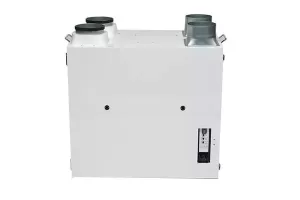
Panasonic Intellibalance 200
The Panasonic Intelli-Balance 200 brings outdoor air into the home while exhausting stale indoor air. Its energy-recovery core transfers heat
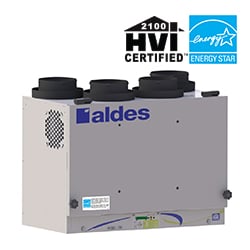
Aldes H-150
Aldes is a Canadian manufacturer of ventilation products. The Aldes H-150 is a popular choice for homeowners looking for a
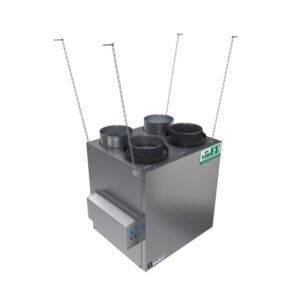
Vanee AI Virtuo ERV
At AirZone HVAC Services, we proudly offer the Vanee Air Series ERVs—engineered to bring fresh, balanced ventilation into your home
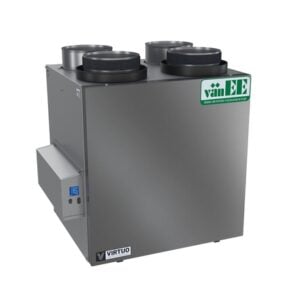
Vanee AI Virtuo HRV
The Vanee AI Series is one of the most intelligent and efficient ventilation solutions we offer at AirZone HVAC Services.
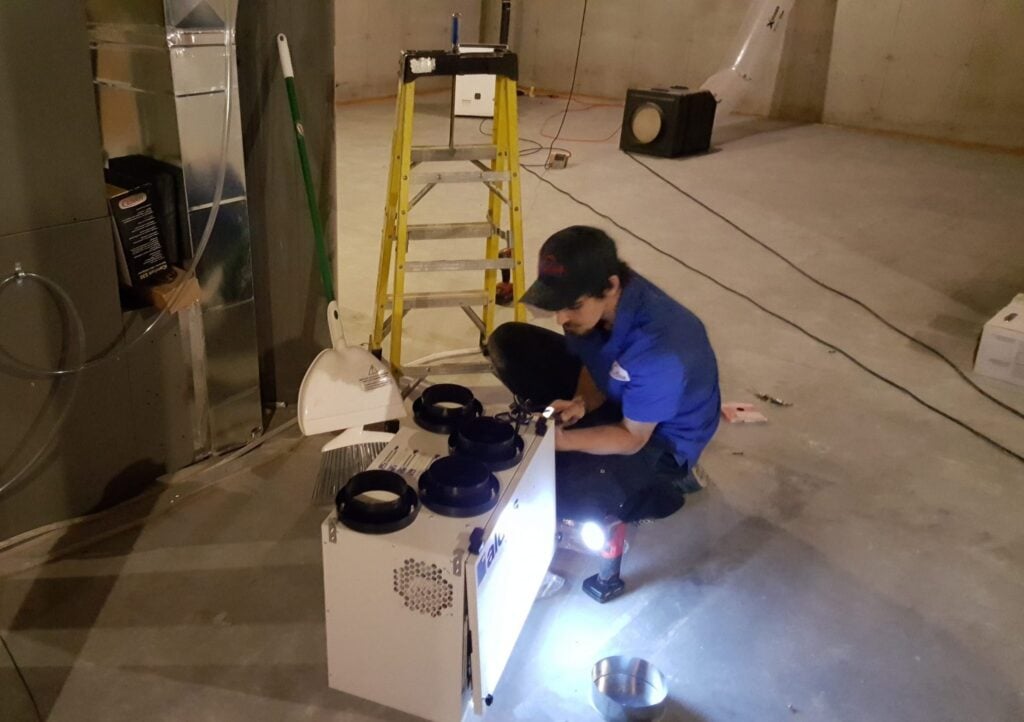
Professional HRV and ERV Installation in Ottawa
Seamless Integration With Your Furnace and Ductwork
A high-quality ventilation unit can still perform poorly when it is oversized, connected to restrictive ductwork or left unbalanced. Proper design and commissioning determine how much air actually enters and leaves the home.
HRV Maintenance, Filter Replacement and Repair
Ventilation equipment is designed to operate regularly, often continuously at a low speed. Dirty filters, blocked exterior hoods, a plugged drain, a loaded core, a failed fan or a control problem can reduce airflow and energy recovery.
If the unit is noisy, leaking, frosting excessively, failing to start or no longer moving air properly, book diagnostic service rather than treating the visit as routine cleaning. Our HRV repair Ottawa support begins with the equipment condition, model information and a practical repair-or-replace assessment.
Many reusable filters should be vacuumed or washed every one to three months. Always follow the unit’s manual.
Leaves, lint, snow and frost can block the intake or exhaust and reduce performance.
Cleaning requirements differ between HRV and ERV cores. Use only the method approved by the manufacturer.
A service visit can review fans, drains, controls, duct connections and whether airflow remains properly balanced.
Why Ottawa Homeowners Choose AirZone
AirZone HVAC Services has helped local homeowners improve ventilation, humidity control and whole-home comfort since 2005. Our directly employed team can handle the complete process, including equipment selection, ductwork planning, installation, balancing, controls and future service.
We do not choose an HRV or ERV from climate alone. We look at how the home is built, how many people live there, where moisture is created, whether the furnace ductwork can support the planned connection and how the system will be used through Ottawa’s heating and cooling seasons.
- HRAI-trained ventilation and residential air-system design
- Practical recommendations for new and existing homes
- Directly employed installers and service technicians
- Clear written quotes with no-pressure advice
Get an HRV or ERV Recommendation for Your Home
Tell us about your current ventilation, humidity concerns and comfort goals. AirZone will help you compare practical options and provide a clear written quote.
Ventilation Questions Ottawa Homeowners Ask
These answers cover common questions about system selection, humidity, operation, installation and maintenance.
What is the difference between an HRV and an ERV?
Both systems bring outdoor air into the home, exhaust stale indoor air and transfer heat between the two isolated air streams. An HRV transfers heat but allows indoor moisture to leave with the exhaust air. An ERV transfers heat and a portion of the moisture, helping moderate humidity transfer during winter and summer.
Should I choose an HRV or ERV for my Ottawa home?
Choose based on the home’s moisture pattern, occupancy, construction and year-round use. An HRV may be better when winter condensation and excess indoor humidity are the main concerns. An ERV may be better when the home becomes too dry in winter or when year-round ventilation during humid summer weather is important. AirZone can review the complete situation before recommending a unit.
Does an ERV work like a dehumidifier?
No. An ERV can reduce how much outdoor moisture enters with the ventilation air by transferring part of that moisture to the outgoing air stream. It does not actively remove water like a refrigerant-based dehumidifier. A home with significant basement or whole-home humidity may still need source correction, air-conditioning changes or dedicated dehumidification.
Should an HRV or ERV run continuously?
Many systems are designed to run continuously at a low speed and switch to a higher boost speed when extra ventilation is needed. The correct setting depends on the equipment, airflow design, occupancy and humidity. Turning the unit off for long periods may allow stale air and moisture to accumulate, so follow the manufacturer’s instructions and the settings recommended during commissioning.
Can an HRV help with condensation on windows?
An HRV can help when condensation is caused by excess indoor humidity and insufficient ventilation. It will not correct every source of moisture or a window problem. Humidifier settings, bathroom exhaust, cooking, basement moisture, occupancy, window temperature and ventilation airflow should all be considered.
How often should HRV and ERV filters be cleaned?
Many manufacturers recommend checking and cleaning reusable filters approximately every one to three months, but the exact schedule depends on the unit and operating conditions. Exterior hoods, drains, grilles and the recovery core also require periodic attention. Always follow the owner’s manual because HRV and ERV core-cleaning instructions can differ.
Can an HRV or ERV be installed in an existing home?
Yes. Many existing homes can accommodate an HRV or ERV through dedicated ductwork, a partially dedicated design or a connection to a compatible forced-air HVAC system. Available space, exterior wall access, duct routing, furnace operation and balancing requirements determine the best installation approach.
Does an HRV or ERV replace bathroom exhaust fans?
It depends on the ventilation design. Some fully dedicated systems exhaust bathrooms through the HRV or ERV and use boost controls for showers. Other homes retain separate bathroom fans. A range hood should still exhaust cooking contaminants directly outdoors. AirZone can review the duct layout and local requirements before recommending a design.
Does AirZone service Lifebreath and Venmar HRVs in Ottawa?
AirZone services many HRV and ERV systems found in Ottawa homes. Service options and parts availability depend on the manufacturer, model and age of the equipment. When booking service for Lifebreath, Venmar, Lennox, Vanee, Panasonic, Aldes or another brand, provide the model and serial number so our team can confirm the correct service path.