Hot water is something every homeowner relies on every day. From showers and laundry to dishwashing and cleaning, your water heater works quietly in the background to keep your home running smoothly.
Today’s water heating systems are far more advanced than older units. Modern equipment offers improved efficiency, faster recovery times, and greater reliability. However, with these advancements comes a wider range of options, and choosing the right system depends on your home, family size, and long-term goals.
Understanding the different types of water heaters available will help ensure you select the best system for your needs.
Electric Tank Water Heaters
Electric storage tanks are one of the most common and affordable water heating options available.
These systems heat water using electric elements inside a storage tank and maintain a set temperature until hot water is needed.
Advantages
• Lower upfront installation cost
• Simple and reliable operation
• Works well in homes without natural gas service
• Compact installation options
Considerations
• Slower recovery time compared to gas systems
• Higher operating cost in many regions
• Limited hot water supply depending on tank size
Electric tanks are often a practical solution for smaller homes, cottages, or situations where gas service is unavailable.
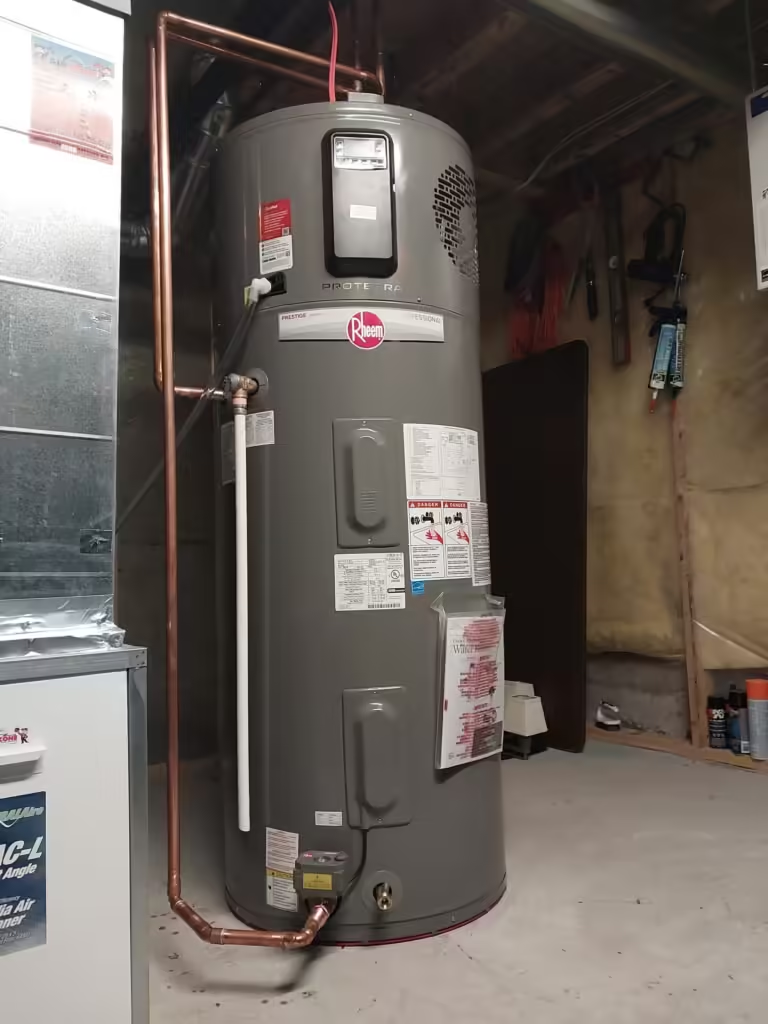
Heat Pump Water Heaters
Heat pump water heaters are one of the newest and most efficient water heating technologies available. Instead of generating heat directly, these systems pull heat from the surrounding air and transfer it into the water tank.
Because they move heat rather than create it, they can operate at efficiencies two to three times higher than traditional electric tanks.
Advantages
• Extremely energy efficient
• Lower operating costs compared to standard electric tanks
• Environmentally friendly electric solution
• Qualifies for many energy efficiency rebates when available
Considerations
• Larger physical size than traditional tanks
• Can cool the surrounding space (often noticeable in smaller basements)
• Slightly louder due to the compressor and fan
• Requires adequate air space for proper operation
Heat pump water heaters are an excellent option for homeowners looking to maximize efficiency and reduce electricity consumption, especially in homes with larger mechanical rooms or unfinished basements.
Gas Atmospheric Water Heaters
Atmospheric gas water heaters use a traditional open flame burner and vent exhaust gases through an existing chimney.
Advantages
• Lower upfront cost
• Faster recovery than electric tanks
• Can continue operating during power outages
• Simple and familiar technology
Considerations
• Lower efficiency compared to modern alternatives
• Requires an existing chimney for venting
• Limited installation flexibility
These systems are often found in older homes with existing chimney infrastructure.
Gas Power Vent Water Heaters
Power vent water heaters are one of the most common systems installed in modern homes.
These systems use a fan-assisted venting system that allows exhaust gases to be vented through a side wall rather than a chimney.
Advantages
• More installation flexibility
• Faster recovery than electric systems
• Reliable performance for most families
• Moderate upfront cost
Considerations
• Requires electricity to operate
• Slightly higher cost than atmospheric units
• Moderate efficiency compared to high-efficiency systems
Power vent tanks are widely considered a dependable and practical option for many households.

High-Efficiency Storage Water Heaters
High-efficiency storage water heaters combine the familiar tank design with advanced heat exchangers and improved efficiency.
Advantages
• Very fast recovery times
• Excellent performance for larger homes
• Higher energy efficiency
• Large volumes of hot water available
Considerations
• Higher upfront investment
• More complex installation requirements
These systems are ideal for larger households where multiple bathrooms and high hot water demand require strong recovery performance.
Tankless Water Heaters
Tankless systems heat water on demand instead of storing it in a tank. When a hot water tap opens, the unit activates and heats water instantly.
Advantages
• Endless hot water supply
• Space-saving design
• Long equipment lifespan
• Highly efficient operation
Considerations
• Higher upfront installation cost
• Hot water can take longer to reach the tap
• Performance can vary during very cold incoming water temperatures
• In some cases, water pressure may be reduced slightly during winter to allow proper heating
Tankless systems are popular in homes with high hot water demand and families who want consistent access to hot water.

Choosing the Right Water Heater for Your Home
The best water heating system depends on several factors:
• Household size
• Hot water demand
• Available fuel sources
• Installation space
• Budget and long-term efficiency goals
What works well for one home may not be ideal for another. A properly designed system ensures reliable hot water, reasonable operating costs, and long equipment life.
Expected Lifespan of Water Heaters
Typical lifespan varies by system type:
Electric tank: 10–15 years
Gas tank: 8–12 years
High-efficiency tank: 12–15 years
Tankless systems: 15–20 years
Annual maintenance and proper installation significantly influence lifespan.
Professional Installation Matters
Proper installation ensures safe operation, correct venting, proper gas supply, electrical protection, and reliable performance.
Water heating equipment must be installed to strict safety standards to protect your home and family.
A well-installed system combined with routine maintenance will provide years of dependable service.