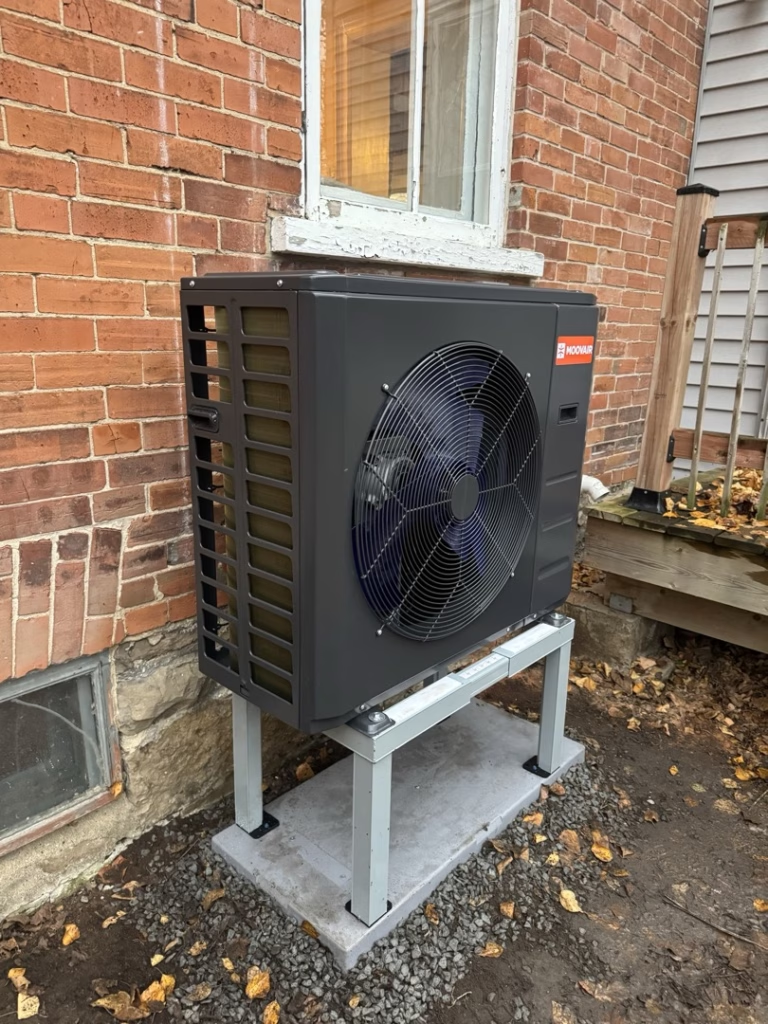
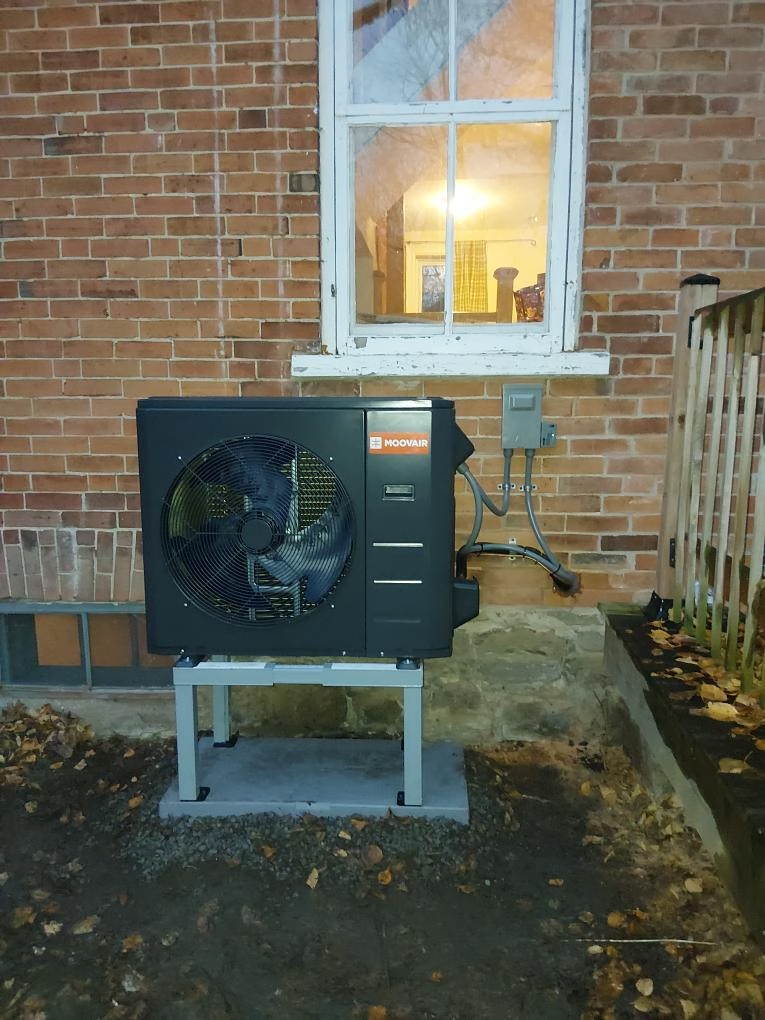
A century-old Kemptville home has its first central cooling system, and a new way to heat through spring and fall. AirZone installed a Moovair cold-climate heat pump alongside the existing gas furnace, with an ecobee thermostat managing the changeover. The project also shows why it is worth comparing a heat pump with a conventional air conditioner: anticipated rebates could bring this approximately $7,500 installation below the $5,000 AC option the homeowners considered.
By Taylor Lewis, Vice President of AirZone HVAC Services
They called about air conditioning. The conversation went beyond summer.
For roughly 100 years, this home had gone without air conditioning. The owners wanted to change that. One option was a standard central air conditioner at approximately $5,000, while keeping their gas furnace for heating.
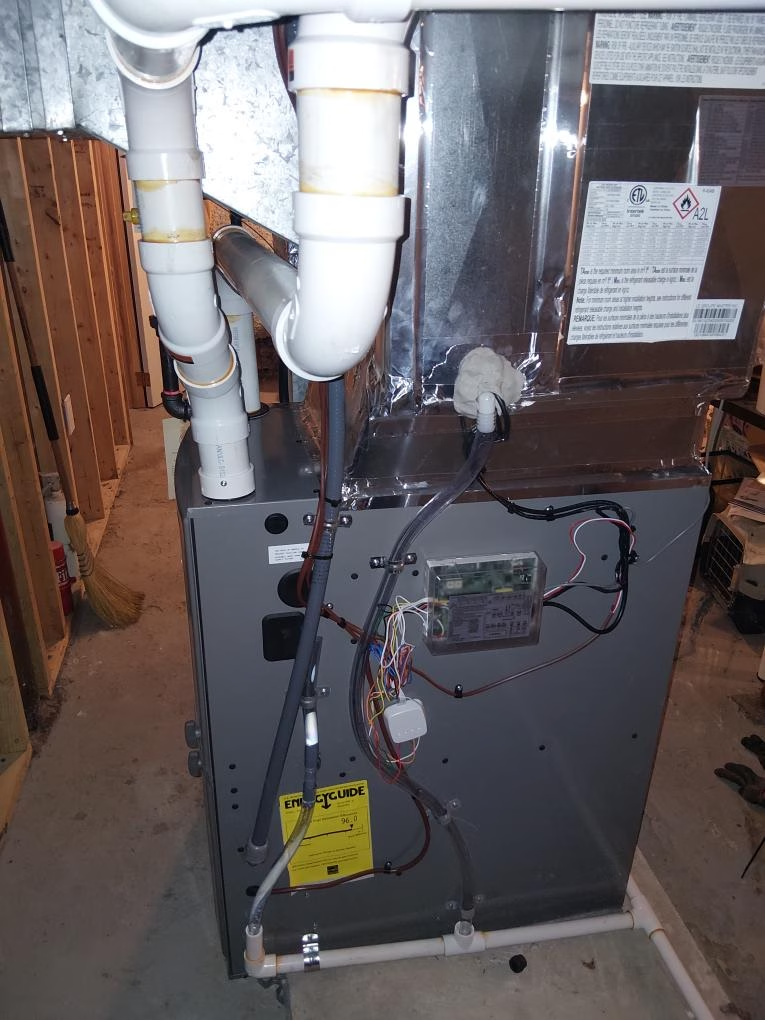
A heat pump offered another possibility. It could provide the central cooling they wanted in July and useful heating on cool October mornings. The homeowners chose a Moovair cold-climate system, retained their furnace for colder weather, and added an ecobee thermostat to coordinate the two.
That is a practical reason to consider a heat pump even when a gas furnace is still working. The decision is not necessarily about replacing every piece of heating equipment. It can be about adding cooling while giving the household another heating option.
What mattered in this older home
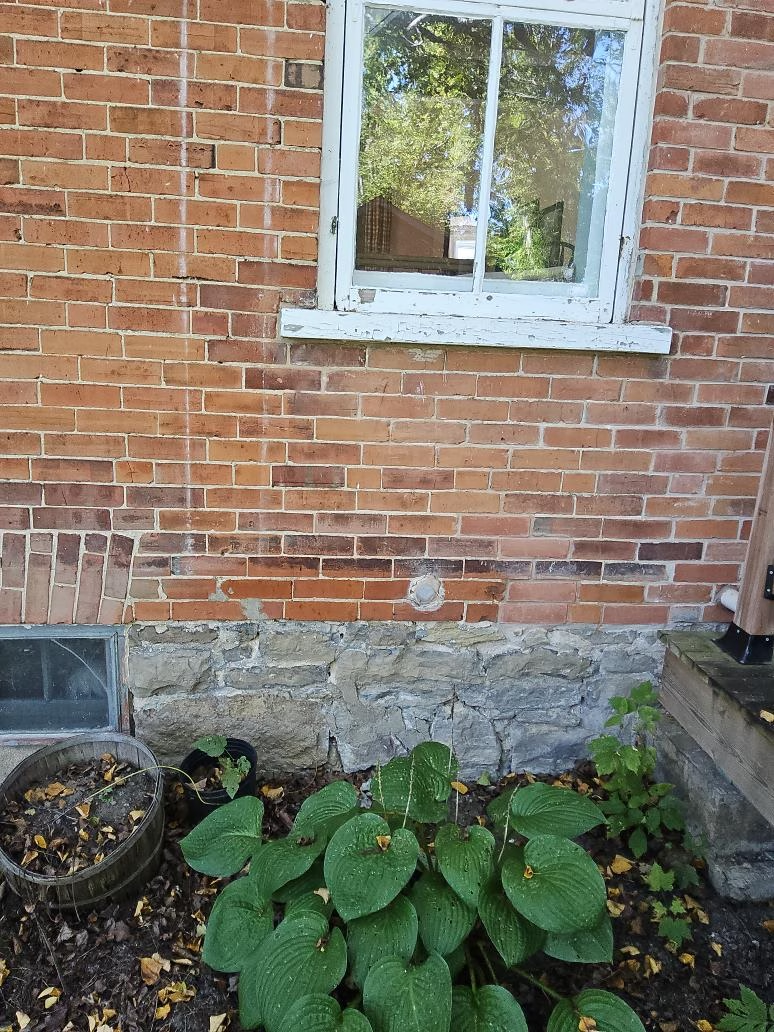
First-time central cooling deserves more attention than matching equipment to square footage. An older home’s ducts may have kept rooms warm for years without ever being tested through a humid summer. Airflow, return-air paths, window exposure and upstairs comfort all matter when choosing and installing the system.
For these homeowners, quiet operation and the Moovair’s ability to adjust its output were part of the appeal. Rather than treating every mild day like the hottest afternoon of the year, a modulating system can adapt its operation to the demand.
There was no previous central-AC bill to compare against, so this is not a claim of measured cooling savings. The benefit the owners were buying was first-time summer cooling plus a second source of heat.
The installation cost and anticipated rebates
Taylor’s project figures put the heat pump at approximately $7,500 and the conventional AC alternative at approximately $5,000. The heat pump therefore cost about $2,500 more before rebates.
| Project figure | Approximate amount |
|---|---|
| Conventional central AC option | $5,000 |
| Moovair heat-pump installation | $7,500 |
| Anticipated Home Renovation Savings rebate | $1,200 |
| Anticipated National Heat Pump Rebate | $2,000 |
| Estimated heat-pump cost if both are approved and paid | $4,300 |
If both anticipated rebates are received, the estimated net cost would be about $700 below the AC alternative. These are this project’s approximate figures in Canadian dollars, not an advertised installed price or a promise of rebate payment. When comparing your own quotes, confirm that taxes and installation scope are treated consistently.
The installation took place after November 1, 2026. The federal program identifies that as the start of its retroactive installation window, with applications expected to open in early 2027. Payment still depends on approval. Home Renovation Savings has its own eligibility and mandatory pre-installation approval requirements. The equipment combination and the homeowner must qualify for each program; a brand name alone does not establish eligibility.
See the federal heat-pump rebate requirements and Home Renovation Savings heat-pump rules for current conditions.
Why the thermostat changes to gas at −8°C
For this home, the chosen outdoor changeover setting is −8°C. Above that setting, the heat pump can handle a call for heat. At the cutoff, the controls turn to the gas furnace. The owners set their preferred indoor temperature, while the ecobee coordinates which system runs.
This is an operating choice for the household, not a statement that the heat pump cannot operate below −8°C. The appropriate changeover point depends on electricity and gas prices, equipment performance and the home’s needs. It can be revisited as circumstances change.
The result is a system with a role in more than one season: cooling in summer, heating in milder weather, and the existing gas furnace available for colder days.
Compare the complete installation, not just the outdoor unit
The useful comparison is between complete, suitable systems for the home. Equipment selection, ductwork compatibility, controls, installation details and support after installation all belong in that conversation.
For a Kemptville or Ottawa-area home considering its first central cooling system, ask for the installed AC and heat-pump options side by side. Then separate the upfront price from any rebates, and consider whether you would use the heat pump’s heating capability.
AirZone can help you compare those options and explain the work your home needs. Review current HVAC rebates, or request a side-by-side heat-pump and AC installation quote from an AirZone comfort advisor.