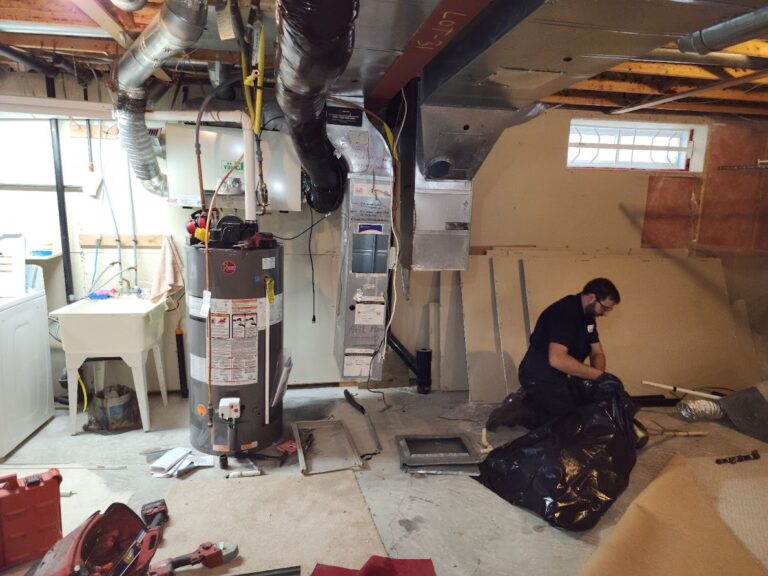
When most homeowners replace their heating or cooling system, the focus is usually on the main equipment — the furnace, air conditioner, or heat pump.
But a comfort system is more than just the appliance itself. Several supporting components play a major role in how well the equipment performs and how long it lasts.
Ignoring these details during installation can lead to poor performance, unnecessary service calls, or even damage to the new system. When investing in new equipment, it’s important to consider the HVAC system as a whole.
Air Filters: Small Component, Big Impact
Air filtration is one of the most overlooked parts of a heating and cooling system.
Traditional 1-inch filters are still very common in older homes, but they were originally designed for much smaller and simpler systems. In fact, most 1-inch filters are barely rated to support the airflow required by a typical two-ton air conditioner.
With modern high-efficiency furnaces, air conditioners, and heat pumps becoming more powerful and more sensitive to airflow restrictions, these thin filters have become somewhat antiquated.
Upgrading to a 4-inch or 5-inch media filter provides several advantages:
• Better airflow through the system
• Improved protection for internal components
• Longer filter life
• Better overall air filtration
For most new installations today, larger media filters are almost a necessity to properly protect your investment.

Condensate Pumps and Drain Lines
Many HVAC systems produce condensation during operation, especially air conditioners and heat pumps.
That water must be safely drained away from the equipment.
In some homes, gravity drainage isn’t possible and a condensate pump is used to move water to a nearby drain. While these pumps are reliable, they typically have a limited lifespan and contain moving parts that eventually wear out.
Reusing old pumps or aging drain lines when installing new equipment can create unnecessary risk.
Over time, pumps can fail and drain lines can clog or crack. When this happens, water can back up and potentially cause flooding or property damage.
For this reason, replacing older pumps and verifying proper drainage during installation is often a smart preventative step.
Humidifiers
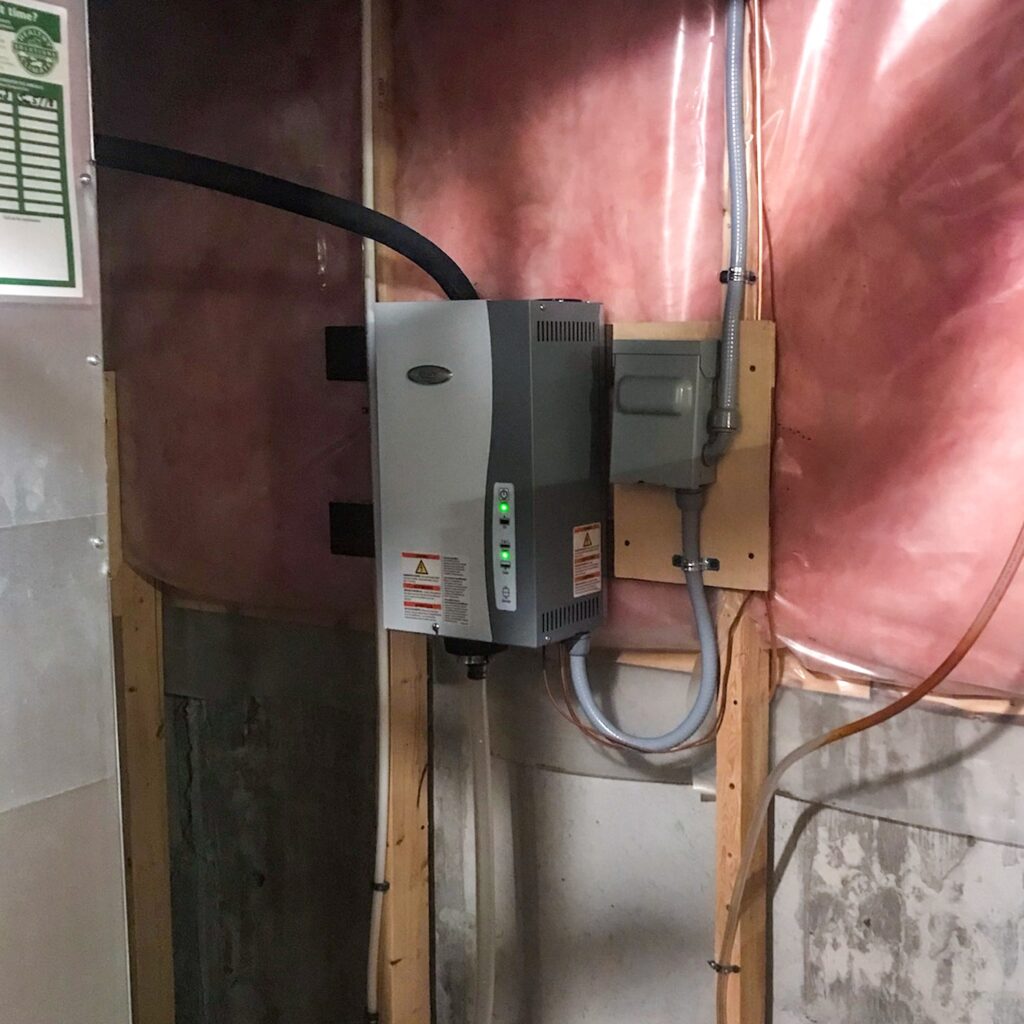
Winter air in Ottawa can become extremely dry, which is why many homes use whole-home humidifiers.
However, humidifiers are another component that often gets overlooked when replacing HVAC equipment.
Older humidifiers frequently develop leaks over time. Even well-maintained units eventually wear out, and replacing a system without addressing an aging humidifier can sometimes lead to water issues later.
There are also different types of humidifiers to consider.
Older drum-style humidifiers are now largely outdated and can become breeding grounds for bacteria if not maintained carefully.
Flow-through humidifiers are more modern and hygienic, but they tend to perform better with traditional furnace heating cycles than with heat pumps, which operate with longer, lower-temperature run times.
When installing newer HVAC equipment, homeowners may want to discuss options such as:
• Fan-powered humidifiers
• Steam humidifiers
These systems often perform better with modern heating equipment and provide more consistent humidity control.
Ductwork: The Hidden Foundation of Comfort
Ductwork is one of the most important — and most overlooked — parts of any HVAC system.
Even brand-new equipment can struggle if the duct system delivering the air is undersized, poorly designed, or restricted.
Common ductwork issues include:
• Insufficient airflow
• Uneven temperatures between rooms
• Excessive noise
• Reduced system efficiency
• Increased wear on equipment
Before installing new equipment, it’s important to confirm that the existing duct system can properly support the system. In some cases, minor modifications may be needed to improve airflow and overall performance.
Think of ductwork as the highway your conditioned air travels through — if the road is too narrow or blocked, traffic slows down.
Designing the System as a Whole
A successful HVAC installation considers more than just the main appliance.
Filters, drainage systems, humidifiers, and ductwork all play a role in how well the system performs and how long it lasts.
Taking the time to evaluate these supporting components during installation helps ensure your new equipment operates efficiently, comfortably, and reliably for years to come.
Understanding these details ahead of time helps prevent surprises later — and helps homeowners get the most out of their investment.