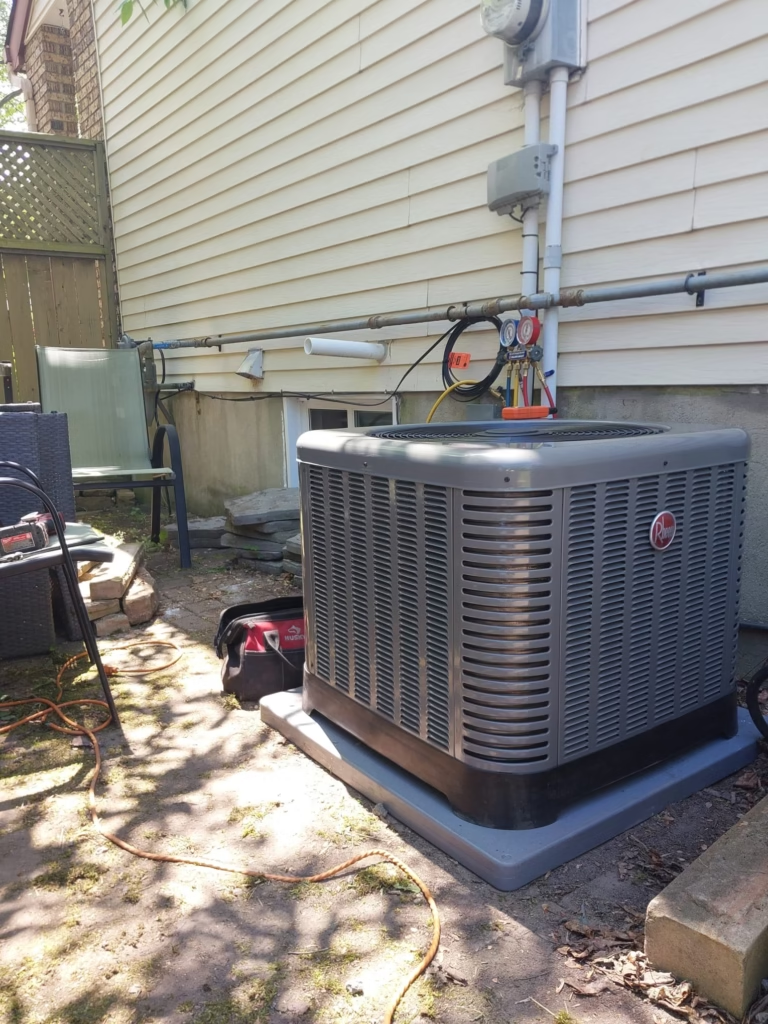
When your air conditioning system starts to struggle, the early warning signs are often easy to dismiss. Maybe the house takes longer to cool. Maybe the system makes a noise you have not heard before. Maybe the air feels humid even though the AC is running. These small changes can be the first signs you need AC repair.
For Ottawa homeowners, it is better to identify air conditioner problems before the first serious stretch of summer heat. A minor repair in May or June can help prevent an uncomfortable mid-season breakdown, reduce unnecessary wear and tear, and keep your HVAC system working more efficiently.
At AirZone HVAC Services, we help homeowners across Ottawa, Nepean, Kanata, Barrhaven, Orleans, Gloucester, Stittsville, Riverside South, and nearby communities diagnose air conditioning problems early. Below are the key signs your AC needs attention, what they may mean, and when it is time to call a professional technician.
Why Is My AC Not Cooling? Common Causes and Solutions
One of the most common reasons homeowners schedule air conditioning repair is simple: the AC is running, but the home is not getting cool.
Sometimes the issue is basic. Other times, poor cooling can point to a failing component, refrigerant problem, or airflow restriction inside the system.
What Are the Main Reasons for an AC Not Cooling?
If your air conditioner is not producing enough cold air, the issue may be caused by:
- A clogged air filter
- Incorrect thermostat settings
- Blocked return or supply vents
- Dirty evaporator or condenser coils
- Low refrigerant
- A frozen evaporator coil
- Weak airflow from the blower motor
- Duct leakage or duct restrictions
- Electrical issues affecting the outdoor unit
- Compressor trouble
- General wear and tear from age
A dirty air filter is one of the simplest causes, but it can create larger problems if ignored. When airflow is restricted, the evaporator coil can get too cold and freeze. Once that happens, your air conditioning system may run continuously while delivering very little comfort.
Low refrigerant is another common reason for poor cooling. Refrigerant is not something your AC “uses up” under normal operation. If refrigerant is low, the system may have a leak that needs to be located and repaired by a trained HVAC technician.
How Can I Troubleshoot AC Cooling Issues Before Calling a Technician?
Before calling for service, there are a few safe checks you can do.
Start with the thermostat. Confirm it is set to cool, the fan is set appropriately, and the temperature setting is lower than the current indoor temperature. If your thermostat uses batteries, replace them if the display is dim or inconsistent.
Next, check your air filter. If it is dirty or packed with dust, replace it. Then give the system some time to stabilize. A clean air filter helps restore airflow and can improve both comfort and efficiency.
Walk through the home and make sure vents are open and not blocked by furniture, rugs, curtains, or boxes. Then inspect the outdoor condenser. Clear away leaves, grass clippings, branches, or other debris around the unit.
If the AC still blows warm air, makes unusual noises, leaks water, or keeps cycling on and off, it is time to book professional service. AirZone can help with air conditioning repair and cooling service in Ottawa.
What Do Unusual AC Noises Indicate About Your Air Conditioner?
Your AC should make a consistent operating sound. It should not bang, grind, screech, buzz loudly, or rattle aggressively. A new or worsening noise is one of the clearest signs you need air conditioner repair.
Which Types of Noises Signal AC Problems?
Different sounds can point toward different system issues.
Banging or clanking may indicate a loose or damaged internal part, especially around the compressor, blower assembly, or fan components.
Buzzing can be related to electrical problems, a failing capacitor, loose wiring, a stuck contactor, or an outdoor fan motor issue.
Squealing or screeching may point to motor bearings, belt issues on some systems, or blower motor strain.
Rattling may come from loose panels, debris inside the outdoor unit, or components that are beginning to wear out.
Hissing can indicate a refrigerant leak, pressure issue, or air escaping from a duct connection.
Repeated clicking may suggest relay, control board, thermostat, or electrical startup issues.
How Do These Noises Relate to Specific AC Component Failures?
A noise does not always confirm the exact repair on its own, but it helps narrow the diagnosis. For example, a loud buzzing at the outdoor unit may lead a technician to test the capacitor, contactor, wiring, condenser fan motor, and compressor circuit. A squealing sound near the indoor equipment may lead to a closer inspection of the blower motor and airflow path.
The important point is that AC noises rarely improve on their own. If a sound is loud, electrical, metallic, or getting worse, shut the system down and schedule service before more damage occurs.
How to Recognize and Fix AC Leaking Water Problems
Your air conditioning system removes humidity from indoor air as part of the cooling process. That moisture should drain away safely through the condensate drain system. If you notice water near the furnace, air handler, floor, ceiling, or wall, something is wrong.
What Causes Water Leaks in AC Units?
Common causes of AC water leaks include:
- A clogged condensate drain line
- A dirty evaporator coil
- A frozen coil that melts and overflows
- A cracked or rusted drain pan
- A disconnected or poorly sloped drain line
- A failing condensate pump
- Restricted airflow from a dirty air filter
- Refrigerant issues causing coil freezing
In Ottawa homes, many AC water leaks begin with drainage or airflow problems. However, a leak can also be a symptom of a deeper issue inside the air conditioning system.
What Are the Best Steps to Troubleshoot and Repair AC Water Leaks?
If your AC is leaking water, turn the system off first. This helps prevent additional water damage and reduces the risk of the system continuing to freeze or overflow.
Check the air filter. If it is very dirty, replace it. Then look for obvious water around the condensate drain or pump. Do not attempt to disassemble electrical components or keep running the AC if water is collecting near wiring or finished areas of the home.
A technician can clear the drain, test the condensate pump, inspect the evaporator coil, check airflow, and determine whether refrigerant or mechanical issues are contributing to the leak.
What Does a Bad Smell From Your AC Mean? Identifying and Solving Odour Issues
Your AC should not make the home smell musty, sour, burnt, chemical-like, or stale. Odours from the HVAC system are more than unpleasant. They can point to moisture, drainage, electrical, or indoor air quality concerns.
What Types of Smells Should You Watch For?
A musty smell may suggest moisture buildup, mildew, a dirty evaporator coil, or a clogged drain system.
A burning smell may indicate overheating electrical components, wiring issues, or motor trouble.
A sour or dirty-sock smell can come from bacterial buildup on the coil or moisture inside the system.
A chemical smell may be related to refrigerant or another mechanical issue that requires inspection.
A stale or dusty smell may indicate dirty ductwork, poor filtration, or a system that needs maintenance.
How Are These Smells Linked to AC Problems and Repairs?
Most AC odours are connected to airflow, moisture, and cleanliness. When a coil stays damp, a drain backs up, or an air filter is neglected, the system can circulate unpleasant smells throughout the home.
Burning or electrical smells are more urgent. If you smell burning when the AC starts or while it is running, turn the system off and call a professional. Do not continue testing the equipment.
If odour issues are connected to filtration, humidity, or air circulation, AirZone can also help with indoor air quality solutions for Ottawa homes.
What Are the Key Signs of AC Failure You Should Never Ignore?
Some air conditioner problems are inconvenient. Others are warning signs of a system that may be close to failure.
Do not ignore these symptoms:
- Warm air coming from the vents
- Weak or inconsistent airflow
- Ice on the evaporator coil or refrigerant lines
- Water leaking around the indoor unit
- Loud buzzing, grinding, banging, or screeching
- Burning or electrical smells
- Short cycling
- Breakers tripping repeatedly
- Uneven cooling between rooms
- High humidity indoors
- Sudden increases in energy bills
- AC running constantly without reaching the thermostat setting
These problems can strain the compressor, blower motor, condenser fan, and other expensive components. The longer the system runs while something is wrong, the higher the risk of a more costly repair.
How Do Reduced Cooling and High Energy Bills Indicate AC Failure?
Reduced cooling and rising energy bills often go together. When an AC loses efficiency, it has to run longer to produce the same comfort. That extra runtime increases energy use and puts additional stress on the equipment.
This can happen because of dirty coils, low refrigerant, poor airflow, duct problems, thermostat issues, or aging components. In some cases, maintenance can restore performance. In other cases, repeated repairs may indicate that replacement should be considered.
When Is It Time to Repair or Replace Your AC Unit?
Repair usually makes sense when the air conditioner is newer, the problem is isolated, and the system has otherwise been reliable. A failed capacitor, clogged drain, dirty coil, thermostat problem, or fan motor issue may be repairable without replacing the entire system.
Replacement may be the better long-term option when:
- The AC is older and breaking down often
- Repair costs are becoming frequent
- Cooling performance has declined significantly
- The system struggles during normal summer heat
- Energy bills keep rising despite repairs
- Major components such as the compressor are failing
- The system no longer matches your comfort needs
- You are considering a more efficient cooling or heat pump option
A good HVAC contractor should not push replacement automatically. At AirZone, we help homeowners compare the repair cost, system age, operating condition, efficiency, and long-term comfort before making a recommendation.
If you are already weighing cooling replacement options, it may also be worth reviewing heat pump solutions for Ottawa homes, since modern heat pumps can provide both heating and cooling.
When Should You Call a Professional HVAC Technician for AC Repair?
You should call a professional technician when basic troubleshooting does not solve the issue or when the symptom involves electrical components, refrigerant, water leakage, freezing, or mechanical failure.
Which Symptoms Require Immediate Expert Attention?
Call for air conditioning repair promptly if:
- The AC is blowing warm air after you checked the thermostat and air filter
- The outdoor unit will not start
- The system is buzzing but not operating properly
- The breaker keeps tripping
- Ice is forming on the system
- Water is leaking indoors
- There is a burning smell
- The compressor or fan is making loud noises
- The system starts and stops repeatedly
- Your home will not cool during hot weather
These are not problems to repeatedly reset and ignore. In many cases, shutting the system off and calling for service can help protect the equipment.
How Do Expert Technicians Diagnose and Fix AC Problems?
A proper AC repair visit should be systematic. A technician may inspect the thermostat, air filter, blower motor, evaporator coil, condenser coil, refrigerant pressures, electrical components, duct airflow, drain system, and overall temperature performance.
Depending on the issue, diagnosis may include:
- Testing capacitors and contactors
- Checking voltage and electrical connections
- Measuring temperature split
- Inspecting refrigerant lines
- Looking for frozen coil conditions
- Cleaning or clearing condensate drainage
- Evaluating airflow and duct restrictions
- Inspecting the condenser fan and compressor operation
- Reviewing thermostat communication and settings
This type of diagnostic approach helps identify the cause of the problem instead of only treating the symptom.
Schedule AC Repair Before a Small Problem Becomes a Breakdown
If your air conditioner is not cooling properly, making unusual noises, leaking water, creating odours, or causing your energy bills to climb, it is better to act early. Small AC problems can quickly become major repairs when the system is under summer demand.
AirZone HVAC Services provides air conditioning repair, maintenance, replacement, and complete home comfort support throughout Ottawa and nearby communities, including Ottawa, Kanata, Barrhaven, Orleans, Nepean, Gloucester, Riverside South, and Stittsville.
When your AC starts showing warning signs, AirZone can help you understand what is happening, repair the issue when practical, and recommend replacement only when it makes sense for your home.