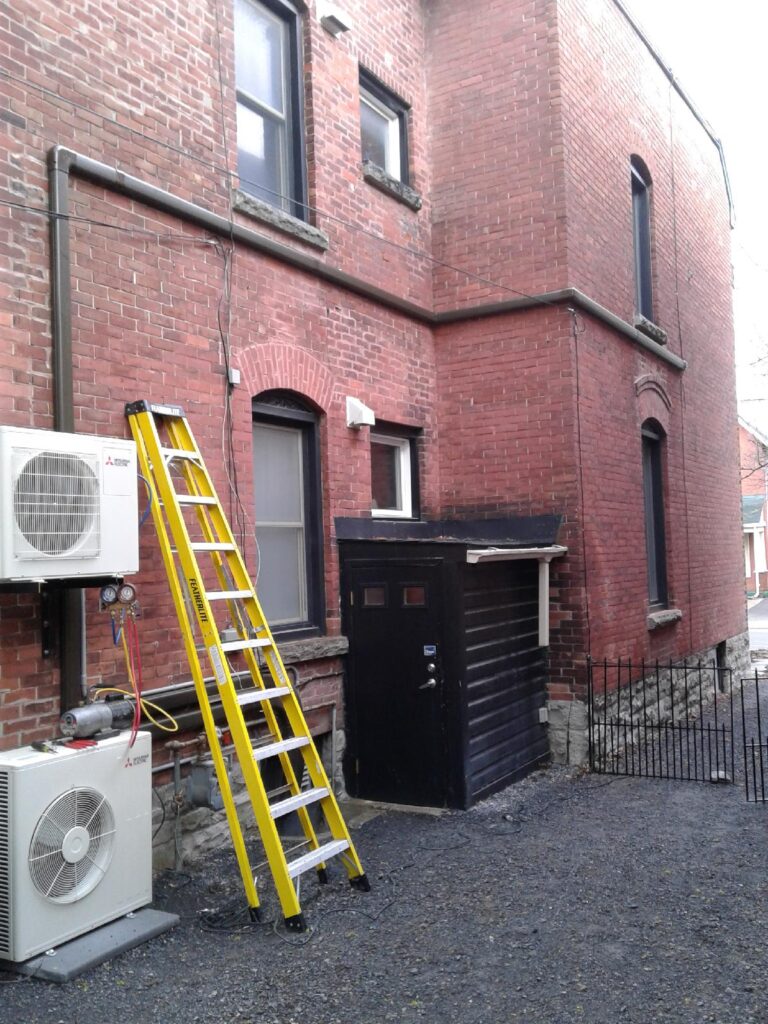
Ductless heat pumps — often called mini-splits — have become one of the most versatile heating and cooling solutions available today. These systems are commonly used in homes without ductwork, additions, older homes, or areas where improving comfort in specific rooms is the goal.
Modern cold-climate mini-split systems are highly efficient and capable of providing both heating and cooling throughout Ottawa’s seasons. However, because they operate differently from traditional ducted systems, there are several important design and installation considerations homeowners should understand before installation.
Understanding how these systems work — and what affects their performance — helps ensure the system meets expectations long after installation is complete.
What Is a Ductless Heat Pump?
A ductless heat pump uses an outdoor unit connected to one or more indoor air handlers (often called “heads”) to heat and cool specific areas of a home.
These systems move heat rather than generate it.
Winter: The outdoor unit extracts heat from outdoor air and delivers it indoors.
Summer: The process reverses and the system removes heat from the home, cooling the space.
Because the system serves individual rooms or zones, it allows for targeted comfort control throughout the home.
Single-Zone vs Multi-Zone Systems
Ductless systems come in two primary configurations.
Single-Zone Systems
A single outdoor unit connected to one indoor head.
Best for:
• Additions
• Basements
• Garages
• Individual rooms
Advantages
• Very efficient
• Simple installation
• Independent comfort control
Multi-Zone Systems
One outdoor unit connected to multiple indoor heads throughout the home.
Best for:
• Homes without ductwork
• Whole-home comfort solutions
• Multiple room temperature control
Advantages
• Zoned comfort
• One outdoor unit serving multiple rooms
• Flexible installation options
Indoor Unit Placement Matters
Where the indoor unit is installed plays a major role in how the system performs.
Proper placement ensures:
• Even air distribution
• Effective heating and cooling
• Comfortable airflow throughout the room
Poor placement can result in uneven temperatures or airflow that feels uncomfortable.
Indoor units are typically installed high on a wall to allow the air to distribute evenly across the space.
Because they are visible, placement must also balance performance with aesthetics within the room.
Outdoor Unit Placement and Noise Considerations
Mini-split outdoor units are generally quiet, but placement still matters.
Factors considered during installation include:
• Distance from bedroom windows
• Property lines and neighbours
• Snow accumulation areas
• Proper airflow clearance
Modern inverter systems ramp up and down in speed, which helps reduce noise compared to older equipment.
Proper installation location ensures the system remains unobtrusive while operating efficiently.
Lineset Routing and Appearance
Ductless systems require refrigerant piping — often called linesets — that connect indoor heads to the outdoor unit.
Routing these linesets properly is important both for performance and appearance.
Installers must consider:
• Exterior wall routing
• Penetration points through the home
• Protective line covers
• Concealing piping where possible
Careful planning helps keep installations clean, organized, and visually appealing.
Drainage Is Critical
Every ductless head removes moisture from the air during cooling operation. That water must drain properly.
Whenever possible, systems are designed with gravity drainage, which is the quietest and most reliable method.
However, in some situations gravity drainage is not possible due to building layout.
In those cases, condensate pumps are installed.
While pumps solve drainage challenges, homeowners should be aware that:
• Pumps introduce a small mechanical noise
• In some cases the pump can be louder than the indoor unit itself
• Pumps require occasional maintenance
Proper drainage design is one of the most important details in a successful mini-split installation.
Expected Lifespan of a Ductless Heat Pump
With proper installation and maintenance, most ductless systems last:
12–15 years on average
Several factors affect longevity:
• Proper system sizing
• Installation quality
• Annual maintenance
• Clean filters and airflow
• Snow management around outdoor units
• Electrical stability
The compressor is the most critical component and benefits greatly from routine servicing.

Annual Professional Maintenance
Mini-split systems contain advanced electronics, inverter compressors, refrigerant systems, and sensors. Because of this complexity, annual professional maintenance is strongly recommended.
Typical maintenance includes:
• Indoor coil cleaning
• Outdoor unit inspection and cleaning
• Refrigerant performance checks
• Electrical inspection
• Drainage system testing
• Filter inspection
Regular service helps maintain efficiency, prevent unexpected breakdowns, and protect warranty coverage.
Homeowner Maintenance Responsibilities
Even with professional maintenance, homeowners play an important role in keeping the system operating properly.
1. Clean or Replace Filters
Filters should be cleaned every 1–3 months depending on usage.
Dirty filters reduce airflow and system performance.
2. Keep Outdoor Units Clear
After snowfall:
• Clear snow around the unit
• Maintain 12–18 inches of clearance
• Ensure airflow around the unit is unobstructed
3. Monitor System Operation
Light frost during winter operation is normal. However, heavy ice buildup, unusual noise, or drainage issues should be inspected.
The Smart Way to Install a Ductless System
Ductless heat pumps are one of the most flexible and efficient comfort solutions available today. When properly designed, carefully installed, and regularly maintained, they provide reliable heating and cooling for many years.
Understanding placement, drainage, aesthetics, and noise considerations ahead of time helps ensure the system performs exactly as expected.
If you are considering installing a ductless heat pump or adding additional zones to your home, working with an experienced contractor ensures the system is designed correctly from the start.